How a Neighborhood Cafe in Monument, CO Builds Loyalty
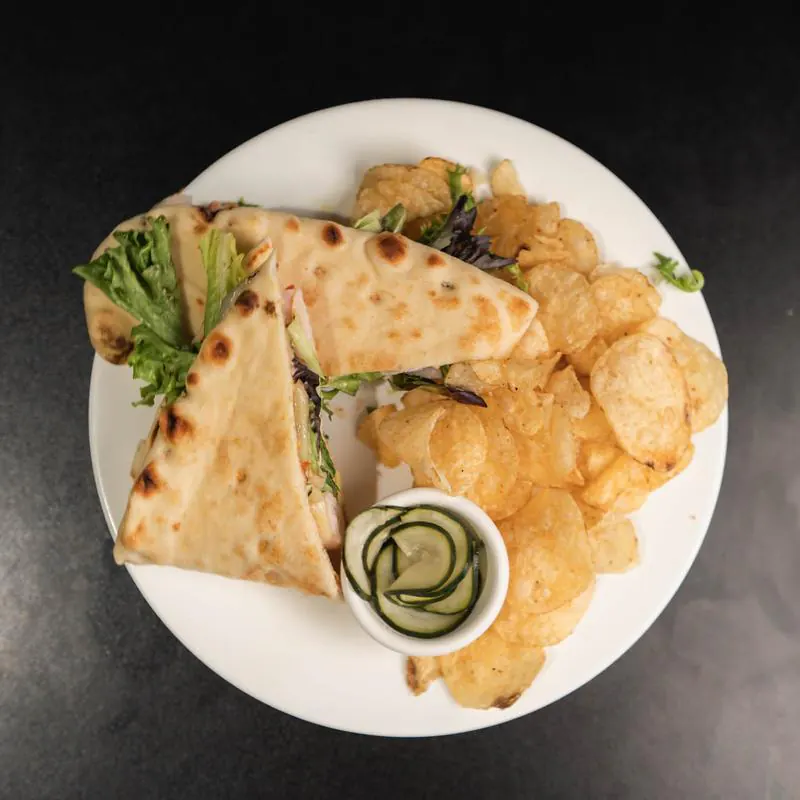
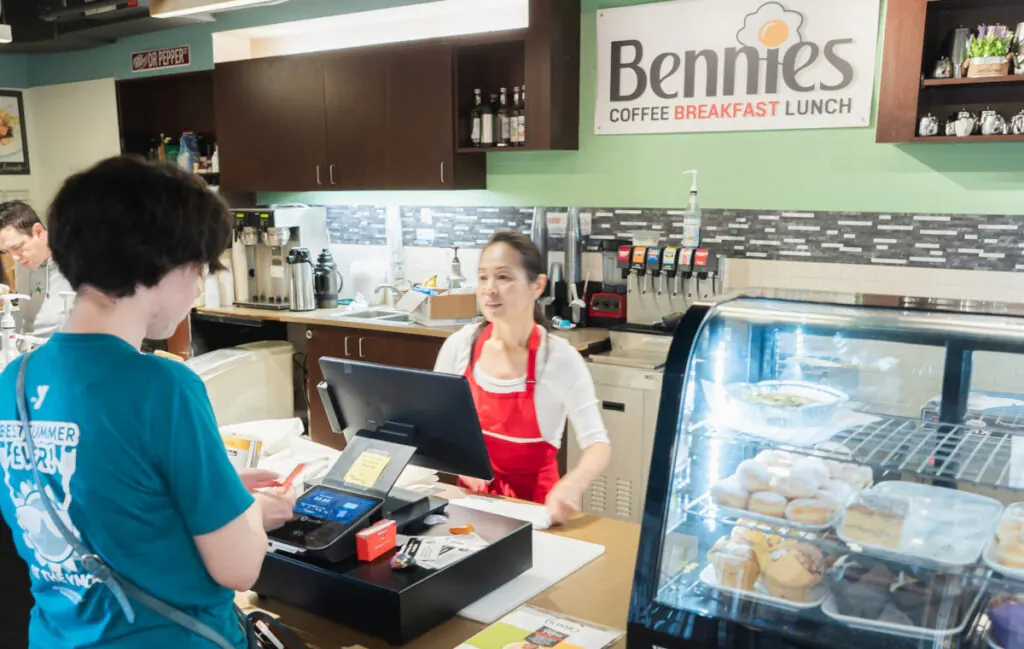
Loyalty in a neighborhood cafe is rarely won through discounts alone. It is built cup by cup, visit by visit, in a hundred small decisions customers notice even when they cannot quite name them. A truly beloved cafe becomes part of a person’s routine, then part of their identity. It is where a contractor grabs coffee before heading south on I-25, where a retired couple lingers over scones after a morning walk, where a parent claims twenty quiet minutes before school pickup, and where a remote worker feels less alone on a Wednesday afternoon.
That kind of attachment does not happen by accident. It is the result of disciplined hospitality, sharp operations, and a clear understanding of what people in a town actually value. In Monument, Colorado, that matters even more. This is not a transient downtown market where novelty can carry a business from one month to the next. It is a community where people remember your service, compare notes with neighbors, and come back for years if you earn the privilege.
A neighborhood cafe in Monument has to do more than pour good coffee. It has to fit the pace of the town, serve a wide mix of residents, and remain steady through changing seasons, weather swings, school calendars, and weekend traffic. The cafes that build real loyalty tend to understand one simple truth: people return when they feel known, when the product is dependable, and when the place makes their day easier.
The first loyalty test happens before the first sip
Many owners think loyalty begins with the beverage. In practice, it often starts earlier, in the parking lot, at the entrance, or at the register. A customer arriving at 7:15 a.m. On a cold weekday is making a practical decision as much as an emotional one. If getting in feels awkward, if the line looks chaotic, if the signage is unclear, or if the greeting lands flat, the quality of the latte has to work much harder to recover the experience.
In a place like Monument, convenience has outsized value. Residents may be squeezing in a stop between commutes, school drop-offs, errands, or outdoor plans. They appreciate a cafe that respects their time. Clear menu boards, a line that moves, a layout that makes sense, and staff who can read whether someone wants conversation or speed all shape that first impression.
The strongest neighborhood cafes tend to remove friction almost invisibly. They make it easy to order a familiar drink, easy to ask a question, easy to stay for an hour, and easy to leave with one hand full of coffee and the other managing keys, a laptop bag, or a child’s jacket. Customers may not praise that explicitly, but they reward it with repeat business.
Regulars are created by recognition, not scripts
One of the most misunderstood parts of hospitality is the difference between friendliness and recognition. Friendliness is baseline politeness. Recognition is memory applied with care. It is a barista recalling that someone prefers an extra-hot cappuccino in a ceramic mug when dining in. It is noticing that a customer who usually chats seems rushed today and shortening the interaction without becoming cold. It is remembering that a local teacher comes in every Friday after first period and likes to take home two pastries for the office.
People do not need theatrical service. In fact, too much performance can feel forced, especially in a town where many customers prize authenticity over polish. What builds loyalty is the quieter form of attentiveness that signals, “You are not just another ticket number.”
That kind of recognition requires training and retention. Staff turnover is one of the fastest ways to weaken loyalty, because every departing employee takes relationship capital with them. A neighborhood cafe that keeps good people, supports them well, and gives them room to become familiar faces gains an advantage that chain operators often struggle to replicate. When customers walk in and see the same capable team week after week, trust deepens.
There is also judgment involved. Recognition must never become intrusion. Some regulars love being greeted by name. Others prefer warm efficiency and privacy. Seasoned cafe teams learn to read the room. That discernment is part of what separates a professional operation from a merely pleasant one.
Consistency beats brilliance most days
Customers love a standout drink or an excellent pastry, but they build habits around reliability. If the cappuccino is exceptional on Tuesday and mediocre on Thursday, the memory of the better cup does not create loyalty. It creates frustration. People return to a neighborhood cafe because they trust the experience to hold steady.
That consistency runs across several layers. Coffee has to taste right, of course, but food temperature matters too. So does milk texture, pastry freshness, cleanliness, music volume, wait time, and the condition of the restrooms. Many owners underestimate how much these details reinforce one another. A customer may not know whether the espresso extraction was twenty-eight seconds or thirty-two, but they can absolutely feel the difference between a cafe that is under control and one that is winging it.
In a mountain-adjacent community like Monument, consistency also means adjusting for seasonality without losing your core identity. Winter mornings can bring a surge of customers wanting warmth and speed. Summer weekends may bring families, cyclists, and day trippers. A loyal customer base expects the cafe to remain recognizable across those swings. Seasonal specials are welcome, but the foundations have to stay dependable.
One useful rule is that signature items should never become operational liabilities. A beautiful breakfast sandwich that takes too long during peak hours, or a popular holiday drink that only one staff member knows how to make properly, may create more strain than loyalty. Smart cafes simplify where it counts so they can execute well under pressure.
The room itself teaches customers how to use the cafe
Every neighborhood cafe sends subtle signals about who Cafe Monument, CO it is for and how people are meant to behave inside it. Seating choices, lighting, noise levels, outlet access, table spacing, and sightlines all influence who stays, who returns, and how often they do both.
A cafe in Monument often serves overlapping groups that want different things at the same time. Early commuters want speed. Parents with young children want forgiving space and minimal judgment. Remote workers want stable Wi-Fi and enough room to open a laptop without feeling they are hogging a table. Retirees may want somewhere comfortable for an unhurried conversation. Weekend visitors may want a warm local stop that feels distinct from what they can get anywhere else.
Trying to please everyone equally can flatten a cafe’s identity. The better approach is to decide what kinds of use the space supports best, then execute that clearly. Some cafes build loyalty by becoming a comfortable “third place,” somewhere between home and work. Others lean into a quicker, higher-turn model that still feels personal. Both can work. Problems arise when the physical environment and the service model contradict each other.
A room with plush seating, large communal tables, and relaxed acoustics invites people to linger. If the staff then appears irritated by laptop users or long conversations, customers feel the mismatch. On the other hand, a compact cafe with limited seating can still build strong loyalty if it is honest about what it offers: excellent coffee, a tight menu, fast service, and a familiar face at the counter.
Local loyalty is often won through food, not just coffee
Coffee may draw first visits, but food frequently determines whether a neighborhood cafe becomes part of someone’s weekly pattern. In a town setting, especially one with families and working professionals, customers often want a place that solves more than one need at once. If the cafe can cover breakfast, a light lunch, or an easy take-home pastry box for guests, the number of possible occasions expands.
This does not mean the menu should sprawl. In fact, sprawling menus often hurt loyalty because quality slips and wait times grow. What tends to work better is a menu with a clear point of view, broad enough to welcome different preferences but tight enough to remain excellent. A few savory items, a few sweet anchors, and a small number of genuinely reliable options for common dietary needs usually go farther than a laminated catalog of mediocre choices.
The key phrase here is “genuinely reliable.” Gluten-free, dairy-free, or higher-protein options only build trust if customers believe they will be available and handled thoughtfully. Nothing erodes confidence faster than a menu that advertises accommodations the staff cannot consistently support.
In practical terms, these are the food habits that often deepen repeat business:
- one or two breakfast items that can be delivered quickly during rush periods
- a pastry case that looks fresh throughout the day, not just at opening
- simple lunch options that travel well for people heading back to work
- at least one indulgent item customers bring friends in to try
- seasonal offerings that feel local without replacing the dependable staples
Notice what is missing from that list: complexity for its own sake. Loyalty grows when customers know they can count on a few things being done very well.
Community presence has to feel earned
Many cafes talk about “being part of the community,” but customers can tell the difference between sincere local involvement and branding theater. In a town like Monument, community presence usually has a practical texture. It might look like opening early on the day of a local event, supporting a school fundraiser, featuring work from nearby artists, or learning the rhythms of the town well enough to staff appropriately when sports tournaments or holiday weekends shift traffic patterns.
The important point is that local engagement should align with the cafe’s actual character and capacity. A small independent shop does not need to sponsor everything. In fact, spreading too thin can weaken service, which is the very thing customers care about most. A handful of well-chosen commitments, done consistently over time, tends to build more goodwill than grand gestures that disappear after one season.
Community also forms inside the shop. Bulletin boards, neighborly conversation, and familiar staff all matter, but they work best when the cafe maintains standards. People love a welcoming place. They do not love a chaotic one. The strongest Cafe Monument, CO experiences tend to strike that balance: open-hearted but organized, friendly but not sloppy.
There is another trade-off worth noting. Some owners fear that becoming too much of a social hub will drive away customers who just want calm and efficiency. That concern is valid. The solution is not to suppress community, but to shape it. Seating zones, music volume, service flow, and gentle policies can help the cafe remain warm without turning every morning into a reunion that blocks the line.
Price matters, but fairness matters more
Every cafe owner wrestles with pricing. Ingredients rise, labor rises, utilities rise, and customers still compare prices to grocery store coffee or national chains with large purchasing power. Yet loyalty is not simply a function of being the cheapest option. Most neighborhood cafe customers understand that independent operators carry real costs. What they want is fairness they can feel.
Fair pricing is a combination of product quality, portion, service, and transparency. Customers can accept a higher price if the drink is consistently excellent, the atmosphere is clean and comfortable, and the service makes life easier. They resent prices that feel detached from the experience. A seven-dollar specialty drink might sell all day if it is crafted well and served quickly. A four-dollar drip coffee can still feel expensive if it tastes stale and comes with indifference.
This is where value engineering matters. Sometimes the smartest move is not lowering prices but sharpening the offer. Better cups, stronger pastry quality, more thoughtful add-ons, or small operational improvements can make pricing feel justified. On the other hand, there are cases where the market simply will not bear a premium, especially for highly substitutable items. Experienced operators know when to protect margin and when to protect traffic.
Loyalty programs deserve careful handling too. Customers enjoy being rewarded, but clumsy systems can backfire. Paper punch cards are simple and familiar, though easy to lose. App-based rewards can be useful, though they sometimes feel excessive for a small-town cafe. The best loyalty systems support behavior that already exists rather than trying to manufacture it with gimmicks.
A practical program usually does three things well:
- it is easy to understand at the register
- it rewards regular visits without becoming financially reckless
- it does not slow service during busy periods
- it feels like a thank-you, not a bait-and-switch
When a loyalty program becomes more complicated than ordering coffee, it stops helping.
Staff culture shows up in the cup
Customers may never see the training manual, but they experience its effects every day. A cafe’s internal culture inevitably becomes visible through tone, pace, cleanliness, and product execution. If the team feels rushed, unsupported, or unclear about standards, customers sense the drag almost immediately.
Strong staff culture is not about forced cheer. It is about clarity and respect. Team members should know what good looks like, know how to recover from mistakes, and know that management will back them up when a shift gets rough. In return, the owner or manager should expect professionalism, attentiveness, and follow-through.
This matters especially in a neighborhood setting because the same customers come back again and again. One bad interaction can echo. A customer who feels dismissed today may bring that memory into every future decision about where to stop for coffee. On the other hand, a well-handled mistake can actually increase loyalty. If an order is remade quickly, with a calm apology and no defensiveness, customers often leave more trusting than before.
I have seen this dynamic play out in cafes of every size. The shops that build long-term devotion are rarely perfect. They are responsive. They notice issues early, fix them cleanly, and avoid making the customer absorb operational stress. That skill alone can separate a beloved local shop from a merely decent one.
Weather, routine, and the calendar shape demand more than owners expect
Monument is not a market where traffic behaves the same way every week of the year. School schedules, snowfall, summer travel, local events, and commuter patterns can all shift the daypart mix. A smart neighborhood cafe learns those rhythms and plans around them rather than being surprised every time.
For example, a snowy morning may produce a short, intense rush from determined regulars and then a quiet late morning. A pleasant summer Saturday may stretch traffic across several hours as families and visitors move through town. Holiday weeks can scramble normal routines entirely. The operators who maintain loyalty through these shifts do two things well: they communicate clearly and they preserve core standards.
If weather or staffing issues require an adjusted menu, customers can accept that if they trust the shop overall. If opening times change around major holidays, clear communication reduces frustration. If a popular item sells out, staff need a gracious backup recommendation, not a shrug. None of this sounds glamorous, but it is the sort of competence that people remember.
Predictability also matters emotionally. A neighborhood cafe becomes part of the mental map of a town. People want to know it will be there when they need it. The more dependable the operating rhythms, the easier it is for customers to build the cafe into their own routines.
Small touches create memory, but only after the basics are sound
Owners often ask what “extra” makes people loyal. The honest answer is that extras only work once fundamentals are handled. Latte art does not rescue slow service. A charming quote board does not fix stale muffins. Cute branding does not make up for poor seating comfort. But once a cafe gets the basics right, small touches can become memorable.
That might be a warm cookie slipped into a child’s bag after a long wait. It might be staff who know local trail conditions and happily chat about them with early hikers. It might be a holiday drink that people genuinely anticipate every year because it has become part of their family routine. These touches gain power because they ride on top of competence, not instead of it.
Memory is what turns a transaction into a tradition. A customer does not tell friends about a flawless point-of-sale system, but they do return because it worked. Then, when the drink was also excellent and the room felt right and a staff member remembered their order, the experience sticks. Over time, that accumulation becomes affection.
What lasting loyalty really looks like
The clearest sign of loyalty is not social media engagement or occasional praise. It is repeat behavior under ordinary conditions. People come on busy Tuesdays, not just sunny Sundays. They choose the cafe even when they are tired and in a hurry. They bring visiting friends there without hesitation. They forgive the occasional miss because the relationship has earned some grace.
For a neighborhood cafe in Monument, that is the goal. Not hype, not novelty for novelty’s sake, and not a constant chase for bigger numbers detached from local reality. Real loyalty grows from fit. The cafe fits the community, the service fits the pace of people’s lives, and the product fits the standards customers hold for places they intend to revisit often.
When that fit is strong, the business becomes more resilient. Marketing gets easier because regulars talk. Seasonal slumps soften because familiar faces keep showing up. Staff morale improves because the room is full of people who are glad to be there. Even pricing conversations become less brittle because customers understand the value they are receiving.
A neighborhood cafe earns loyalty through repetition with care. It greets people well, serves them consistently, remembers what matters, and keeps showing up as a reliable part of town life. That sounds simple. It is not easy. But it is the work that lasts.
Bennies Cafe
17230 Jackson Creek Pkwy Ste 100, Monument, CO 80132
+1 719-445-0660
FAQ About Cafe Monument, CO
What is considered a café?
A café is generally an informal place to enjoy refreshments and a meal. Bennies Cafe in Monument serves breakfast and lunch in a counter-service setting, with options including eggs Benedict, sandwiches and crepes. Guests can eat in or arrange pickup.
What is the difference between a coffee shop and a café?
The terms often overlap. A coffee shop usually emphasizes coffee and other drinks, while a café may offer a broader food menu. Check the individual establishment's menu rather than relying on its name. Bennies Cafe offers coffee drinks alongside breakfast and lunch dishes.
What is the difference between café and coffee?
In everyday English, a café is a place where people buy food and drinks, while coffee is the beverage. The word café comes from the French word for coffee. Bennies Cafe serves options such as brewed coffee, espresso and lattes as part of its drinks menu.